 Pay with Bancontact



Arrangers

Woodbrass
KBA300
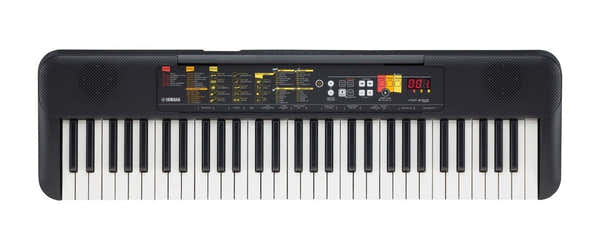
Yamaha
PSR-F52

Yamaha
PSR-E383

Yamaha
PSS-A50

Yamaha
PSR-E283

Yamaha
PSR-SX920
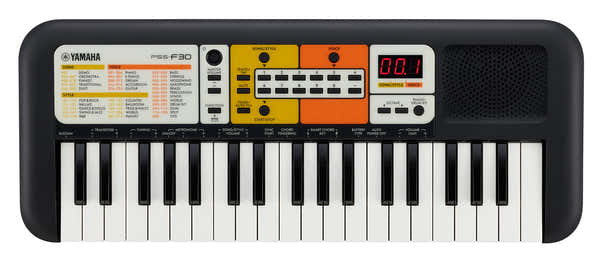
Yamaha
PSS-F30

Korg
EK-50

Korg
PA-1000

Yamaha
PSR-EW425
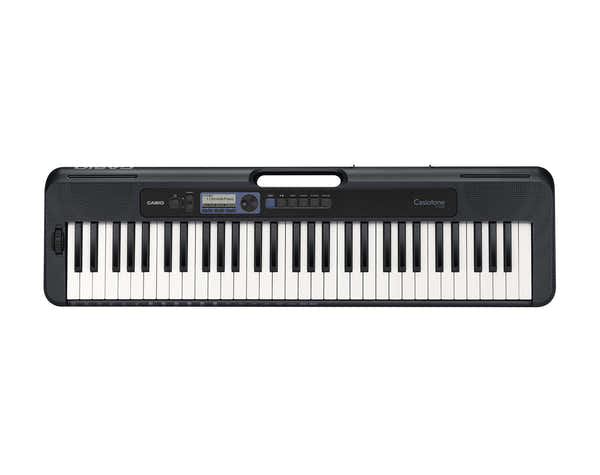
Casio
CT-S300

Casio
CTS-100

Yamaha
PSR-E483

Yamaha
PSS-E30
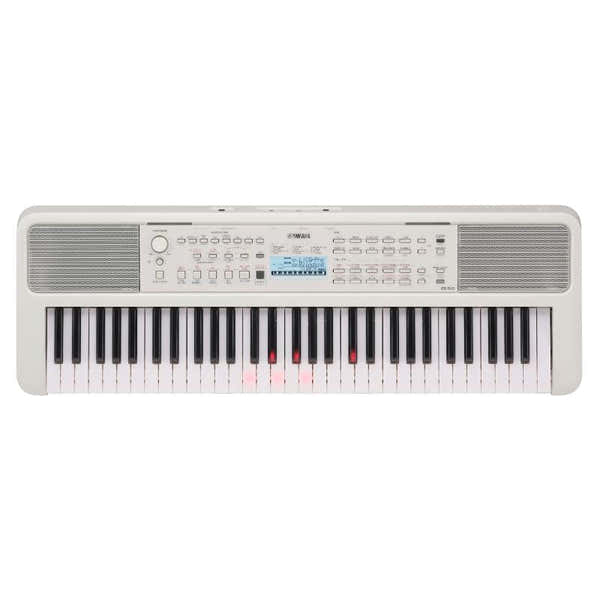
Yamaha
EZ-310
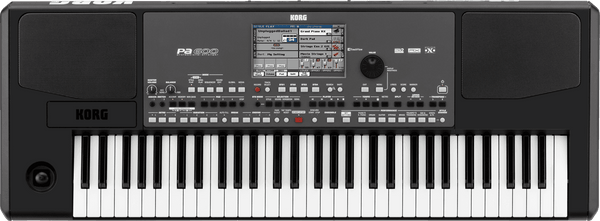
Korg
PA-600

Korg
PA5x 61 Oriental
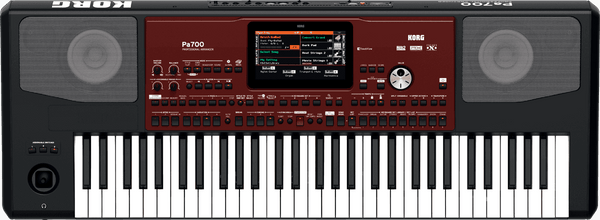
Korg
PA700

Casio
CT-S200 Black

Casio
SA-50 Mini Keyboard for Children

Korg
PA-700 Oriental

Roland
E-X10

Yamaha
PSR-SX720+

Yamaha
PSR-A5000

Yamaha
Genos 2

Alesis
Harmony 61 MK4

Casio
SA-81

Casio
CT-S400

Yamaha
PSR-E583

Korg
PA5x 61
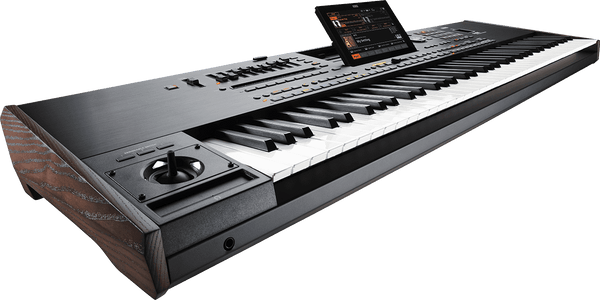
Korg
PA5x 76

Roland
E-X50
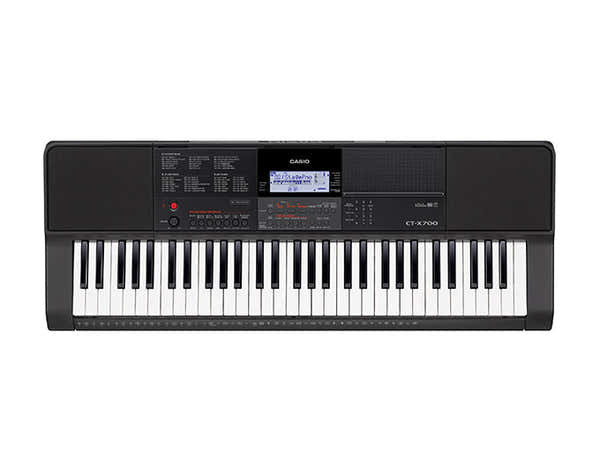
Casio
CT-X700
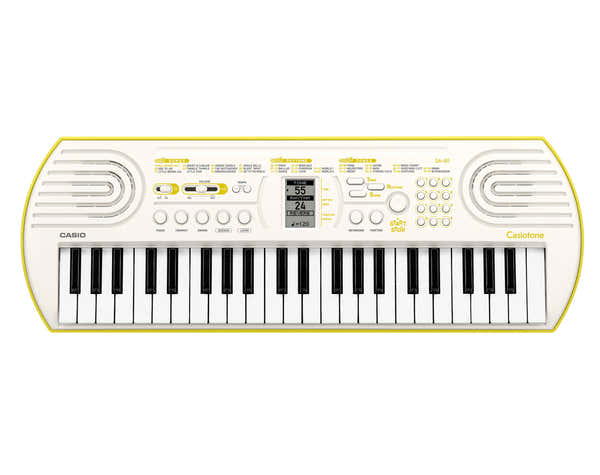
Casio
SA-80
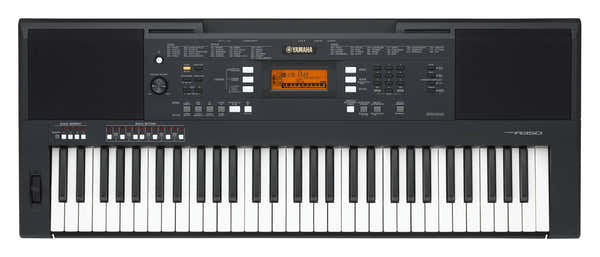
Yamaha
PSR-A350
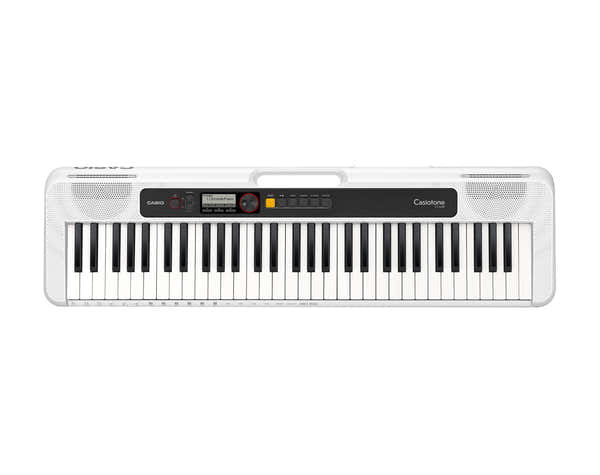
Casio
CT-S200 White
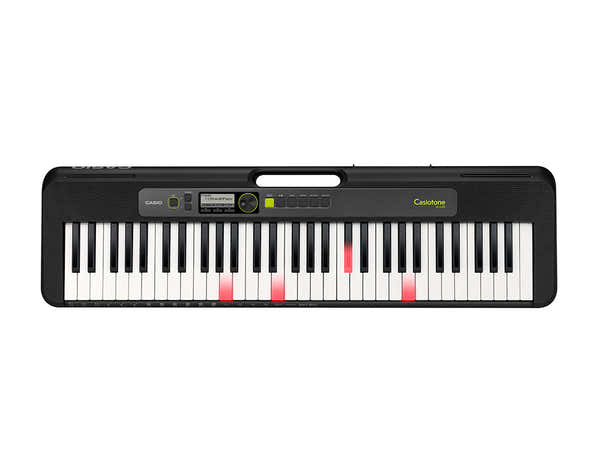
Casio
LK-S250

Casio
LK-S450

Casio
CT-X5000

Casio
CT-S1 76 White

Korg
PA-700 Red

Casio
CT-S500

Korg
I3 MB

Casio
CT-S1 76 Black
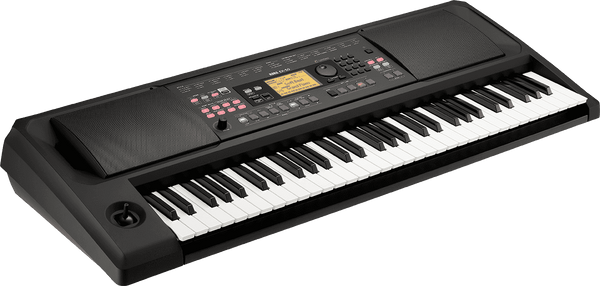
Korg
EK-50 L

Roland
AX-edge Keytar White
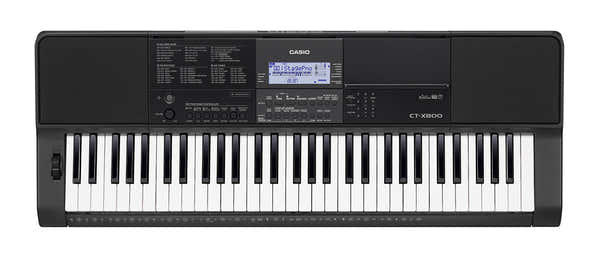
Casio
CT-X800

Korg
I3 MS
Why choose an arranger keyboard?

An arranger is a keyboard that accompanies you. You choose a style, play chords with your left hand, and the keyboard turns them into drums, bass and the rest of the orchestra. That leaves you the melody, with your right hand. It's called auto accompaniment. When you're starting out, playing with a band behind you, even a virtual one, is much more motivating. And if you don't know your chords yet, many models have a mode that plays a full chord from a single key. Most have their own speakers, so there's nothing else to plug in to get started.
More than half the arrangers we sell are from Yamaha. Alesis, Casio and Korg follow, Roland has a few, and Woodbrass has its own arranger, designed for beginners. The sound varies from brand to brand, and that's often what you base your choice on. And opinions are very divided. Listen to demos from the brands that appeal to you before choosing.
Which arranger keyboard should you choose for a beginner, child or adult?

Look at the keys first. You need touch-sensitive keys (also known as velocity sensitivity), whatever music you play. The note sounds louder or quieter depending on how hard you press, just like on a piano. Without that, everything comes out at the same volume, and bad habits set in. A few budget models don't have them; the product page says so. Yamaha and Casio also include built-in lessons in their beginner keyboards. On some, the keyboard waits for you to find the right note before continuing the piece. A few models have light-up keys that show you what to play. To get your hands in the right position from the start, add a few lessons or a piano tutor book.
For a very young child, there are smaller, lighter keyboards with mini keys that run on batteries (32 to 44 notes from Casio, 37 from Yamaha). If they're taking lessons, a touch-sensitive keyboard with 61 full-size keys is a better choice. Choose one with a USB port so they can connect it to a computer or an app later. And think about a keyboard stand and a keyboard bench from day one. A keyboard tucked away in a cupboard doesn't come out very often.
61, 76 or 88 keys: which should you choose?

In this section, 61 keys is still the norm. That's enough to play with both hands, melody on the right and chords on the left. For proper two-handed piano playing, though, 61 keys leaves you a bit short at both ends, and many recommend at least 76. Casio, Yamaha and Korg make arrangers with 76 keys. Korg is the only brand in this section to go up to 88 keys, with a hammer action, giving you a weighted action close to a piano's, plus styles.
The others have a light action, more like an organ, and that's fine for pop music or accompaniment. Do you mainly want to play piano, and aren't really interested in accompaniments? Look at digital pianos instead.
Which arranger for the stage, vocals or oriental music?

To provide an evening's entertainment on their own or as a duo, many musicians choose a high-end arranger keyboard. Yamaha has the PSR-SX models and the Genos. Korg has its Pa models, Roland its E-X models. They have hundreds of styles, with intros, breaks and endings you trigger at the press of a button. Several have a mic input and a vocal harmoniser, which adds backing vocals to your voice when you sing into a vocal microphone. Some also play audio files from a USB stick. Korg's and Yamaha's flagship models are sold without speakers. You'll need to budget for speakers, or the keyboard amplifier each of the two brands has designed to go with them.
Do you play oriental music? You need quarter tones. Korg offers Oriental versions of its Pa models, while Yamaha has its PSR-A series. You'll find oriental sounds and oriental rhythms, and on the most fully featured models, you can save your scales and recall them in the middle of a song. Roland also has quarter-tone buttons in its E-X range.
What do you need to buy with your arranger keyboard?
A pedal, first. The sustain pedal keeps notes ringing, like the right-hand one on a piano. Depending on the model, it may or may not be included; the product page will tell you. The mains adaptor is sometimes an optional extra too, on small keyboards that run on batteries.
To play in the evening without disturbing anyone, get a good pair of closed-back headphones. If you're taking the keyboard to lessons or rehearsal, a padded gig bag protects it in transit. To play in public with a model that has no speakers, you'll also need the speakers we mentioned earlier.
Buying your arranger keyboard from Woodbrass
With an arranger, it's best to try it in person. At Woodbrass Store Claviers & Home Studio, 184 avenue Jean Jaurès (Porte de Pantin, Paris 19th arrondissement), a sales adviser lets you try the keyboards at your own pace. The doors open at 10.30am and close at 7pm, Tuesday to Saturday. For parking, head for Vinci Park Cité de la Musique. Show your parking ticket and we'll refund the first hour if you buy something in the shop.
Can't make it? Our sales advisers are available on +33 2 57 88 00 74 on weekdays from 9am to 6pm (Saturdays, 10am to 6pm), Paris time. You can also use the website chat or email. Whether it's a first keyboard for a child or a pedal that's compatible with your arranger, we'll help you find it. Unpacked it and it's not right for you? We'll take it back if we receive it within 30 days of delivery.
A problem with your arranger while it's still under warranty? For after-sales service, open the order for your arranger in your customer account. Describe the fault, add a photo or video, and you can track the case online. It can be repaired, exchanged or refunded, depending on the case. If the manufacturer offers a longer warranty, the product page will say so. You can pay in instalments with Alma.