 Pay with Bancontact



Pianos


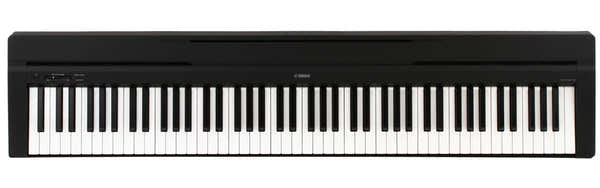
Yamaha
P-45

Roland
FP-10
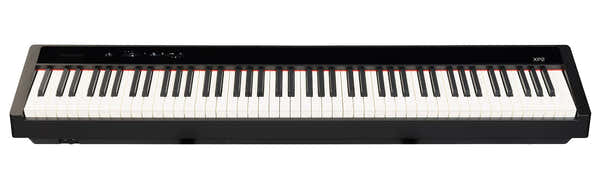
Woodbrass
XP2 Black

Yamaha
P-145BT
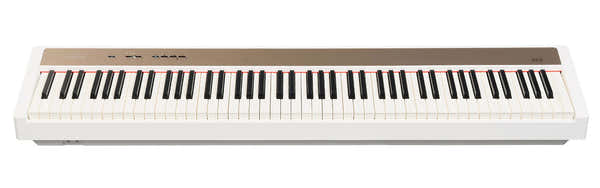
Woodbrass
XP2 White
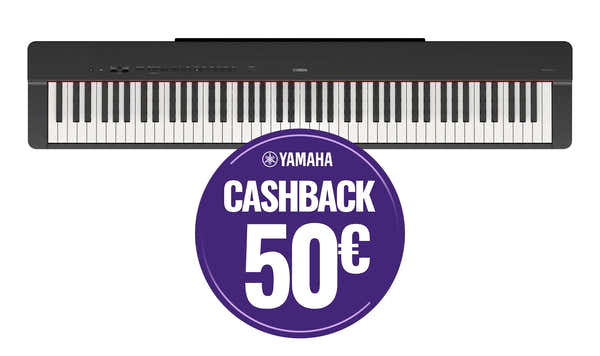
Yamaha
P-225 Black
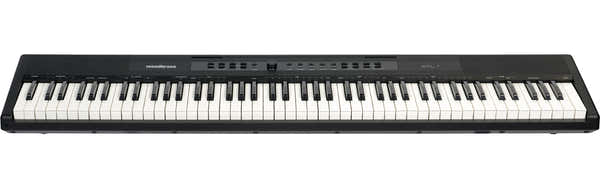
Woodbrass
XPL1 Black

Casio
CDP-S110 Black

Carry On
Piano 88

Yamaha
P-225 White

Kawai
ES60 Black
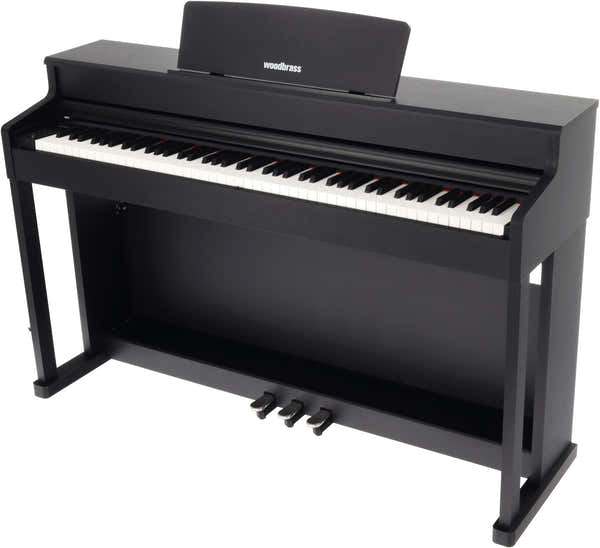
Woodbrass
DP2 MK2 Black
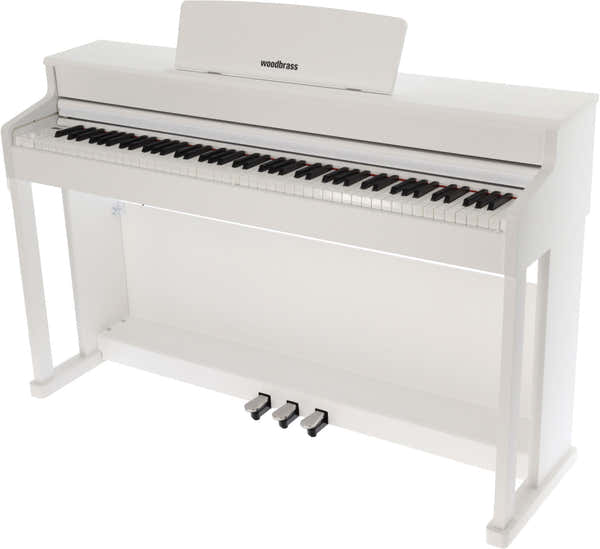
Woodbrass
DP2 MK2 White

Yamaha
NP-15 Black

Yamaha
CLP-825 Black

Carry On
Piano 49

Yamaha
CLP-835 Black

Casio
Privia PX-S1100 Black
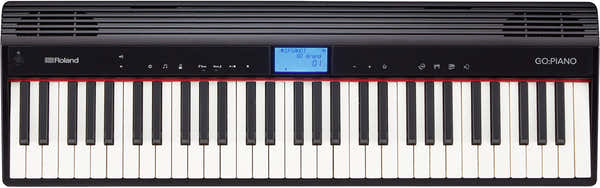
Roland
Go:piano
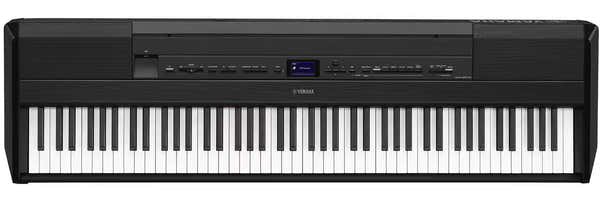
Yamaha
P-525 Black

Roland
FP-E50

Kawai
ES120 Black
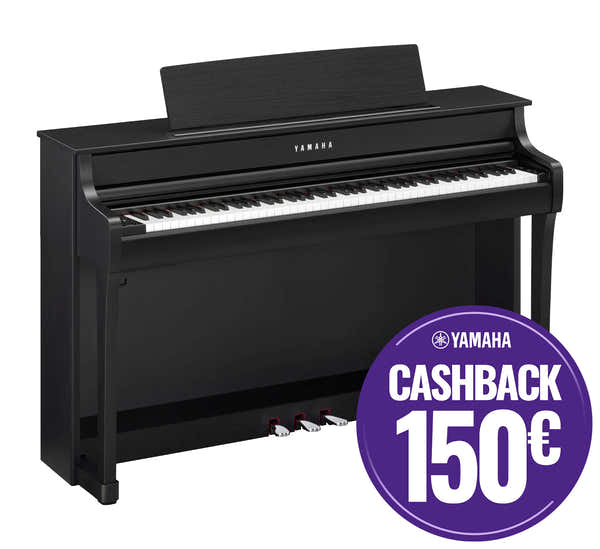
Yamaha
CLP-845 Black

Casio
CDP-S110 White

Yamaha
DGX-670 Black

Yamaha
CLP-835 White Mat

Woodbrass
DP2 MK2 Glossy Black

Yamaha
Arius YDP-S55 White

Yamaha
NP-15 White
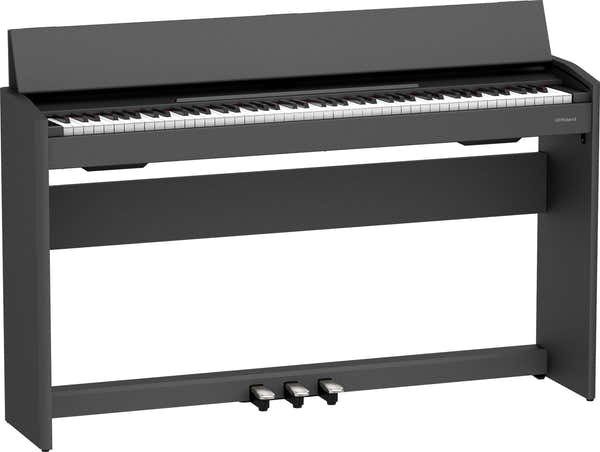
Roland
F107-Black

Yamaha
CLP-825 White Mat

Alesis
Concert

Casio
CT-S1 White

Nux
NPK-20 Black

Yamaha
Arius YDP-105 White

Kawai
CN201 Black

Korg
C1 AIR BK

Yamaha
Arius YDP-105 Black

Woodbrass
DP2 MK2 Glossy White

Carry On
Piano 88 Touch White
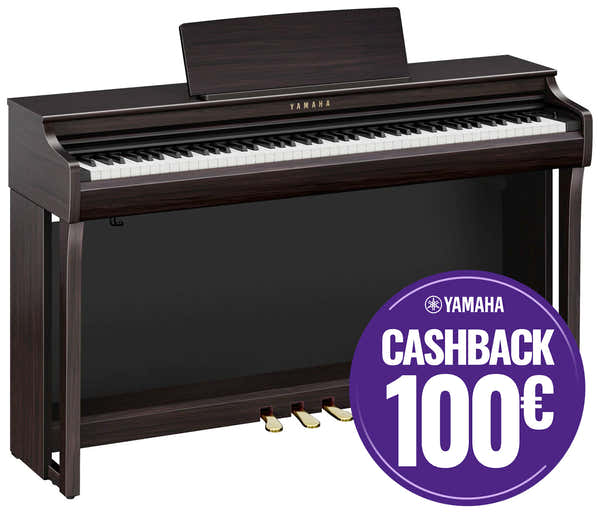
Yamaha
CLP-825 Rosewood

Casio
Privia PX-S1100 White

Nux
NPK-20 White

Kawai
CN301 Black

Woodbrass
VP-20
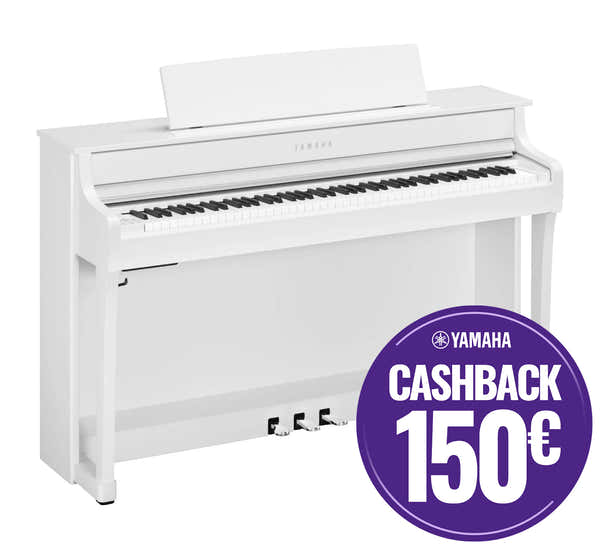
Yamaha
CLP-845 White Mat

Roland
Go:keys 5 Graphite
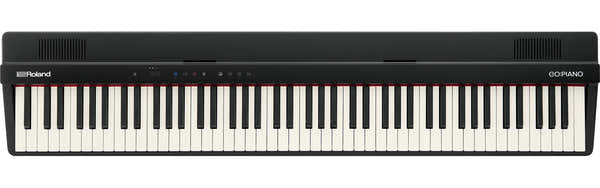
Roland
Go:Piano 88
Which digital piano should you buy as a beginner?
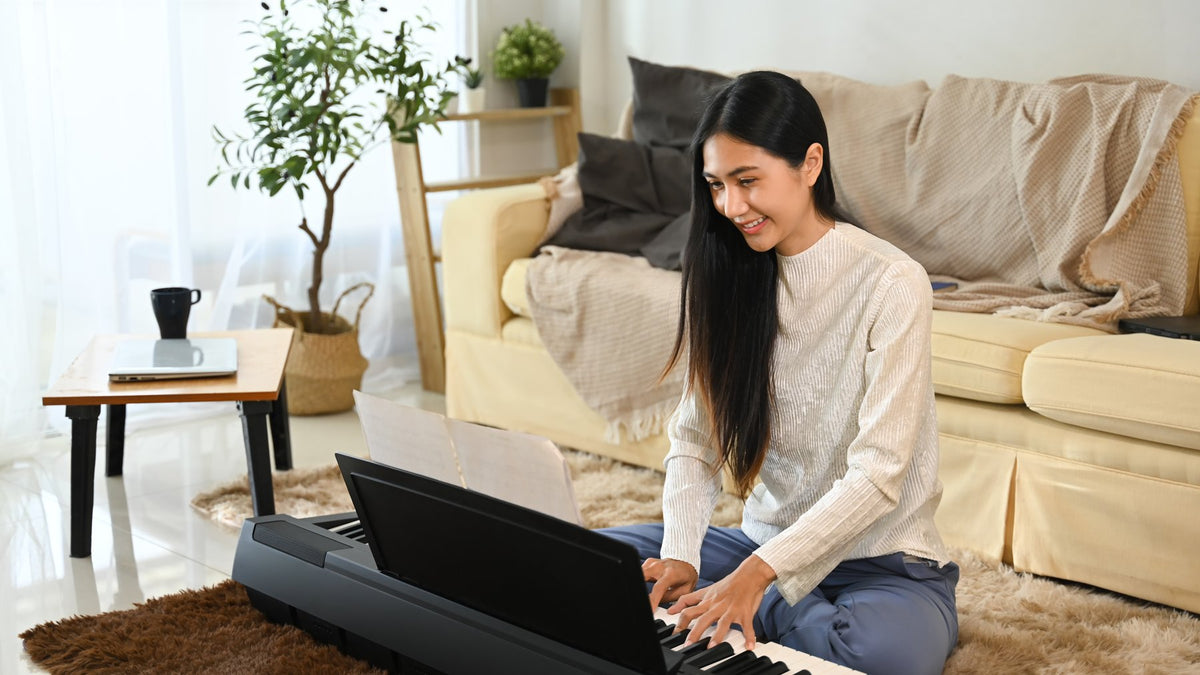
When you're learning, the only thing that really matters at first is what you've got under your fingers. You need 88 keys and a weighted action (no compromises on that). Light, semi-weighted or weighted keys? Weighted, no question. On spec sheets, it's called hammer action or weighted action: the keys offer a little resistance under your fingers, like on a real piano, and the harder you press, the louder it sounds. Lighter keys have their uses, but for practising piano they soon lead to bad habits. And when you move to an acoustic piano, you'll notice it. Without going high-end, of course. In the end, you tend to save money by buying a decent piano right from the start, because it's the one you'll keep as you progress.
When it comes to brands, Yamaha leads our sales by a long way, but Roland, Kawai, Casio and Korg also make very good pianos, and each has its own key action and tone colour. Woodbrass also has its own pianos, both portable digital pianos and console digital pianos, and it ranks second in this category for the number of pianos sold. But a key action that feels perfect to one pianist will feel too stiff or too soft to another. If you can try two or three, even if it means a bit of a drive, it's well worth it.
Should you get a portable digital piano or a console digital piano?
A portable digital piano is a slim, fairly light keyboard (for a piano, at least!). Not enough room at home for an upright piano? This is the one for you. It sits on a stand and can be stored against a wall when you need the space, and you can even take it to rehearsal in its gig bag. In fact, we sell almost twice as many of them as console digital pianos. Depending on what's included, you'll need to budget separately for a stand, a piano stool and often a proper pedal.
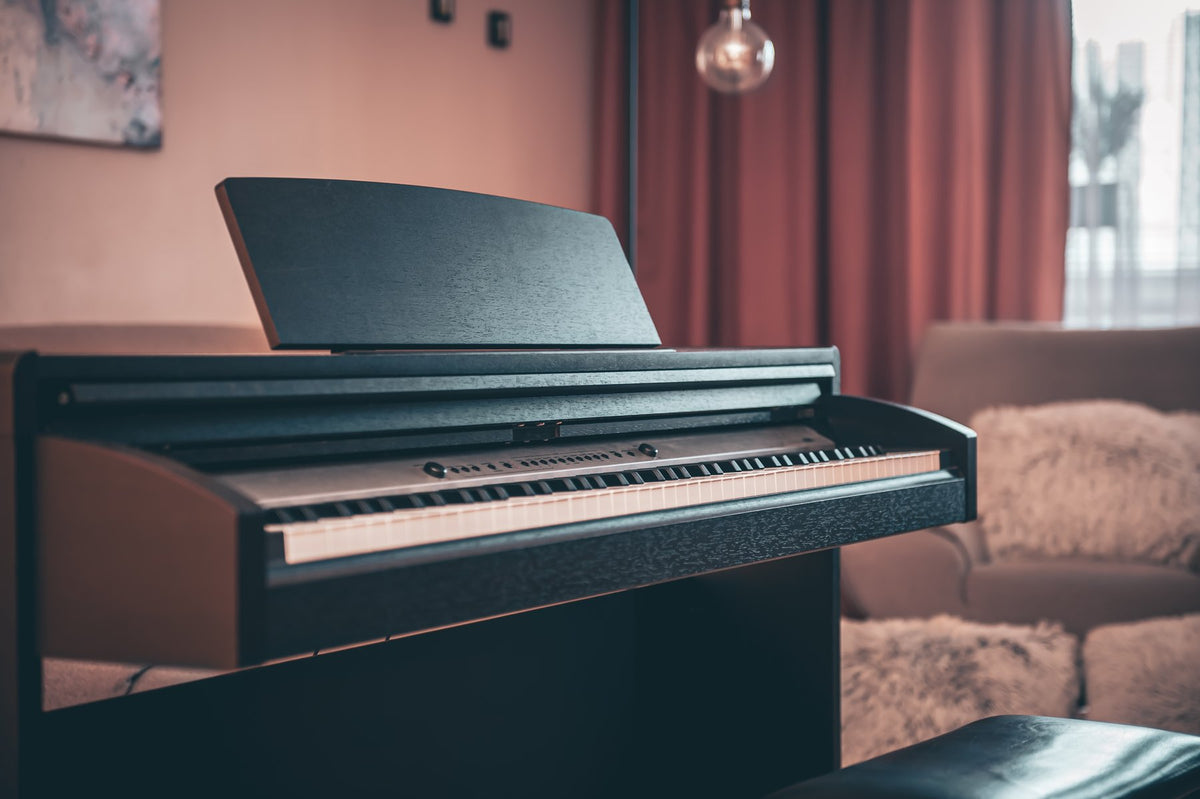
A console digital piano, on the other hand, looks like a small upright piano, with the keyboard, speakers and usually three pedals fitted into a wooden cabinet. It needs a dedicated space, roughly the size of a small sideboard. But once it's set up, everything's there, with no trailing cables or wobbly stand, and a teacher coming to your home can sit down and get straight to it. For a child starting at a conservatoire, it's a very good choice. With Yamaha, look at the Arius and Clavinova ranges. Kawai, Roland and Casio make them too, mostly in black or white, with a few in wood finishes.
Why do some digital pianos cost more?
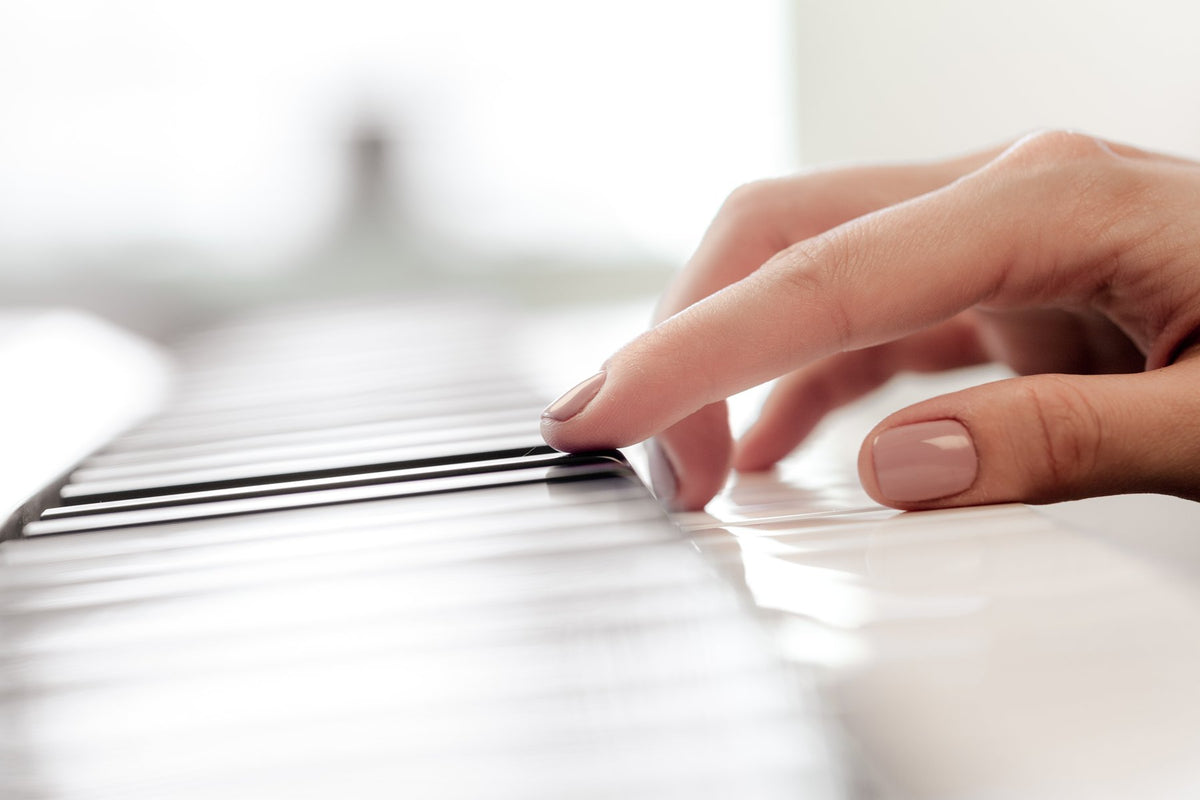
Mainly because of the keyboard and the sound. The further up the range you go, the longer the keys, and some are even made of wood. Under your fingers, there's then very little difference from an acoustic piano. The sound comes from recordings of concert grand pianos, with finer detail in high-end models, and you hear it most when you play softly. The speakers matter too. On smaller models, they're a little short on bass as soon as you play hard, without sounding unpleasant, and they're more than adequate for practice. On bigger models, it really feels as though you've got a piano in your living room.
As for the rest, it's down to what you want. If you want to record yourself, a USB port lets you connect the piano to your computer, and you can even get other sounds from the computer. Bluetooth is more for tuition apps on your tablet. Casio's Privia, Kawai's ES and Roland's FP models don't have quite the same options, so they're worth comparing. A metronome, on the other hand, is almost always included (your teacher will ask you to use it, trust us). And above all, the headphone socket! At 11pm, that's what lets you carry on playing without the neighbours hearing you.
Stand, piano stool, pedal: what do you need to get with it?
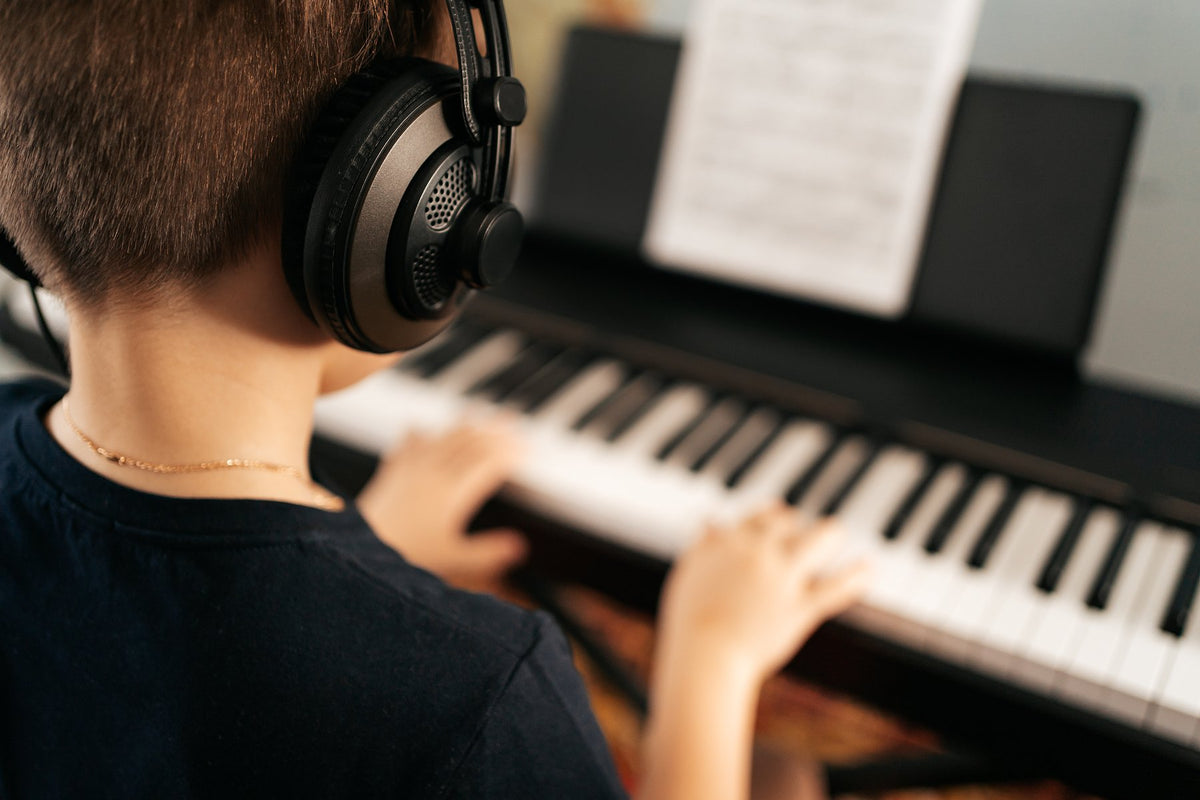
The brand's matching stand, or a different one? It's up to you. A good X-frame stand will do the job for a portable digital piano (just remember to open it wide enough: an 88-key keyboard is long!). If you'd prefer something more stable, or better-looking in the living room, have a look at the four-legged or wooden models among the keyboard stands. As for seating, a chair rarely puts your wrists at the right height: go for a piano stool with adjustable height instead, especially for a growing child.
You'll need the sustain pedal, the one on the right, quite soon to keep notes ringing. With some portable digital pianos, you get a small square pedal that does the job but tends to slide under the piano. Many people end up getting one that looks like the pedal on an acoustic piano, or even a three-pedal unit if the piano supports it, and you'll find all of these among the keyboard pedals. Go for closed-back headphones, as they give you better isolation (you'll find some among the studio headphones), and a gig bag if your portable digital piano will be leaving the house. And if you ever play in a band, have a look at the stage keyboards too: they're designed for use with a PA system and generally don't have speakers.
Buying your digital piano from Woodbrass
A piano is something you need to try out, and finding several brands on display to try out in the same shop isn't that easy (some are rarely on display). In Paris, Woodbrass's keyboard and home studio shop is at 184 avenue Jean Jaurès (Paris's 19th arrondissement, Porte de Pantin), open from 10.30am to 7pm, Tuesday to Saturday, and you can try the digital pianos there with a sales adviser to help you compare key actions. The Vinci Park Cité de la Musique is right next door, and if you buy in the shop, your first hour there is refunded.
Paris not exactly on your doorstep? Our sales advisers are available on +33 2 57 88 00 74 Monday to Friday from 9am to 6pm, and Saturday from 10am to 6pm (Paris time), as well as via chat or email. Portable digital piano or console digital piano, the right pedal for your piano: it's all familiar territory for them! And if the piano isn't right for you once it's at home, you have 30 days after delivery to send it back to us.
We're still here after you buy. If it breaks down during the warranty period, you submit your after-sales service request through your customer account: select the order, describe the problem (a photo or video helps a lot) and track your case online. Then, depending on the problem, we'll repair the piano, exchange it or give you a refund. Some brands offer a longer manufacturer's warranty, which is shown on the product page.
Budget a bit tight? There are currently B-Stock pianos (tested, with a 6-month warranty) and refurbished pianos (checked, with a 3-year warranty). Payment in instalments is through Alma.