 Pay with Bancontact



Folk
Guitars

Fender
CD-60 V3 DS Dreadnought WN Black

Fender
CD-60 V3 DS Dreadnought WN Natural

Ibanez
Tod10N-Tkf Transparent Black Flat Signature Tim Henson

Yamaha
F370BL Black

Yamaha
F310 Natural

Ibanez
TCY10E-BK Black Talman

SIGMA GUITARS
000M15

Lâg
Sauvage Auditorium Ctw

Ibanez
PC12MHCE-OPN Natural

Lâg
Sauvage Nylon Auditorium Slim Ctw Electric
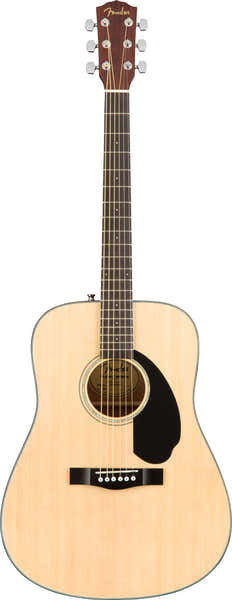
Fender
Cd-60S Dreadnought Wn Natural
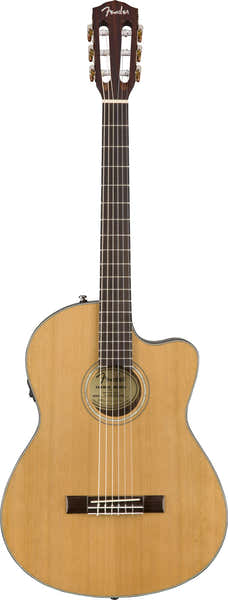
Fender
Cn-140Sce Thinline WN Natural
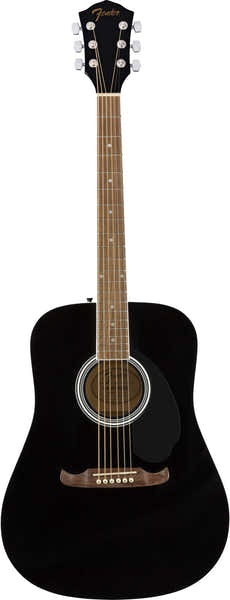
Fender
FA-125 Dreadnought WN Black

Yamaha
F310 Tobacco Brown

Fender
Cd-60Sce Dreadnought Wn Natural

Fender
CD-60SCE Dreadnought CW Classic Design WN Black
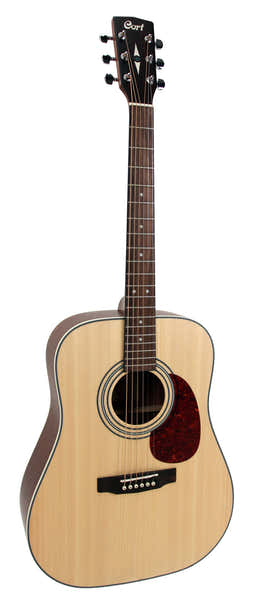
Cort
E70op Earth 70 Natural Open Pores

Lâg
Sauvage Auditorium

Eko
Ranger 6 Black

Takamine
Gd11Mns

Lava Music
Lava Me Air Carbon Space Black
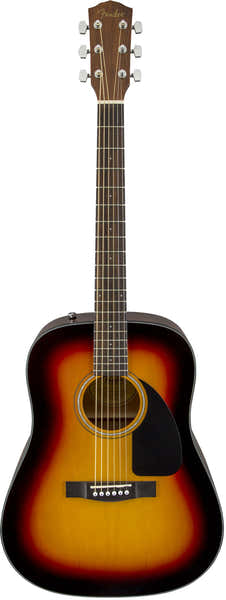
Fender
CD-60 V3 DS Dreadnought WN Sunburst
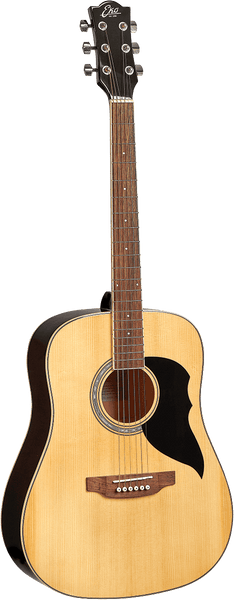
Eko
Ranger 6 Natural

Lâg
HyVibe 1 Series 10 Dreadnought Ctw
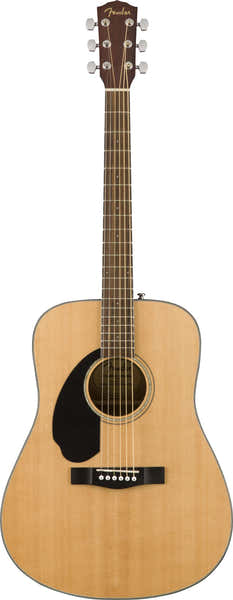
Fender
Cd-60S Dreadnought Lh Wn Natural

Lâg
Tramontane T70ACE Auditorium Electro-Acoustic Ctw Natural

C.F. Martin & Co
Little Martin Lx1E Electro-Acoustic

Fender
Cc-60Sce Concert Wn Black

Taylor Guitars
GS Mini Mahogany Natural
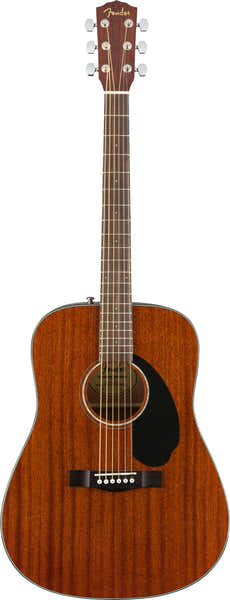
Fender
CD-60S All Mahogany Dreadnought WN
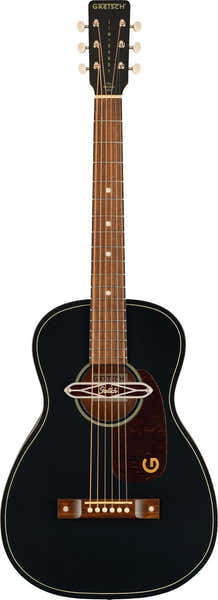
Gretsch Guitars
Parlor Deltoluxe Jim Dandy WN Black Top

Lâg
Bluewave 2 TBW2ACE Auditorium Ctw

Lâg
Tramontane T70A-Nat Auditorium Natural

Ibanez
TCM50-VBS Vintage Brown Sunburst Talman

Taylor Guitars
BT2 Natural Baby

Takamine
GLD12ENS 12 Dreadnought Spruce-Mahogany

Lâg
HyVibe 2 Series 50 Auditorium Bevel CW

Ibanez
AEG50N-BKH Black
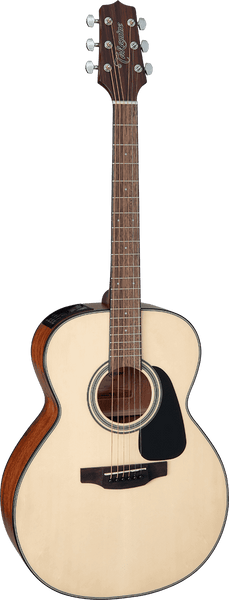
Takamine
Gln12Ens 12 Nex Spruce-Mahogany

Fender
Cc-60S Concert Wn Sunburst

Lava Music
Lava Me Play 36'' Nightfall-Frost-White Lite Bag

Ibanez
PC12MH-OPN Natural

Yamaha
Pack F310 Ptbs Tobacco Brown Sunburst

Taylor Guitars
GS Mini-e Mahogany Natural

Lâg
Bluewave 1 Travel Brown

Yamaha
Folk Junior Jr1

Ibanez
FRH10N-NTF Natural Flat

Lâg
Parlor Signature Vianney Ltd Telethon
Which acoustic guitar should you choose as a beginner?

Starting out on an acoustic guitar is often a bit tough on your fingers, because it has steel strings and you need to press harder than on a classical guitar. It eases off after a few weeks, but it's best to start with a guitar that doesn't make things harder. The first thing to look at is the string action above the neck: if the strings are high, every chord takes more effort. Most acoustic guitars come with 12-53 strings, and for a beginner, switching to a lighter string set in an extra light gauge often makes things easier. The string action itself can be adjusted.
For a first acoustic guitar, we often recommend Yamaha, whose guitars are known for their consistency, but there are options from Fender, Cort or Ibanez too. When you're starting out, what matters most is that it stays in tune and is comfortable to play.
For a child or someone who isn't very tall, a large body can get in the way. The Dreadnought Junior and travel guitars are smaller, with shorter necks, and are easier to take with you. Many models also come in left-handed versions. And if you sing and accompany yourself, get a capo: it lets you play a song in a higher key to suit your voice, using the same chords.
Dreadnought, auditorium, parlour: which body suits the way you play?

Here, the dreadnought is by far the most common acoustic guitar shape. Its large body produces plenty of bass and volume, which makes it a good guitar for accompanying a singer while strumming with a plectrum. The jumbo is even wider, with a fuller sound.
For playing fingerstyle, many guitarists prefer smaller bodies, like the auditorium or 000 (pronounced ‘triple O’), which are more comfortable under your arm and have a more balanced sound, though they still sound good when you play chords. The parlour is smaller still, with a more midrange-focused sound that people like for blues.
The cutaway lets you reach the highest frets. On an acoustic guitar that isn't plugged in, these notes aren't very loud, so it's not an important consideration for a beginner (unless you like the look, and that matters too). A 12-string has a very rich sound but needs more finger strength, so it's more of a second guitar.
How much should you budget for an acoustic guitar?

The price of an acoustic guitar depends mainly on its top, which is the front of the body. On entry-level guitars, the top is usually laminated, made from several layers of wood glued together: it's sturdy and doesn't react much to humidity. Next up are guitars with a solid top, made from a single layer of wood, which sound better and improve further with age. When you're starting out, you might not hear the difference, but your ear develops quickly, and many guitarists recommend going for a solid top as soon as your budget allows. ‘All-solid’ guitars, with the back and sides also made of solid wood, are higher-end models. Tops are mainly spruce, with a bright sound, or cedar, with a warmer sound that's often popular for fingerpicking.
In the mid-range, Lâg, a brand that started in the south of France, and Takamine are good options. Eastman and Furch, a Czech brand, sit a little higher up, and among high-end guitars you'll find Martin, Taylor and Gibson. A guitar with a solid top doesn't like overly dry air: in winter, it's better to keep it in its gig bag than leave it near a radiator.
Do you need an electro-acoustic guitar?

You don't need one for playing at home. An electro-acoustic guitar is useful when you're playing with others or in public, because you can plug it straight in. Its preamp often has a tuner, which is handy.
If your guitar doesn't have electronics, you can add an acoustic guitar pickup: some fit in the soundhole without any drilling, while others need to be fitted by a luthier. Avoid plugging it into an electric guitar amplifier, as the sound loses a lot of its acoustic character; an acoustic instrument amplifier is designed for that.
Yamaha also offers some slightly different models: TransAcoustic guitars produce reverb and chorus inside the body, without an amplifier, and Silent Guitar models have no body and are played through headphones. Ovation guitars have a rounded back made of Lyrachord, a composite material, and are known for their use on stage.
Buying your acoustic guitar from Woodbrass
An acoustic guitar needs trying out first, especially if you're torn between two body shapes. Our guitar shop (182 avenue Jean Jaurès, in Paris's 19th arrondissement) welcomes you from Tuesday to Saturday, 10.30 am to 7 pm, with two demo rooms where you can play in peace. Coming by car? Your first hour at Vinci Park Cité de la Musique is reimbursed with an in-store purchase. And if you want to go home with your guitar under your arm, you'll need to buy it in-store: online orders are delivered.
No shop near you? Our sales advisers are available by phone, via chat and by email, Monday to Friday from 9 am to 6 pm, and Saturday from 10 am to 6 pm (Paris time).
Our guitars are sent out with their factory setup. But on an acoustic guitar, getting the string action right makes a world of difference, and our guitar workshop, at the same address, takes care of that: for the 6 months after your purchase (online or in-store), setup and maintenance are 50% off.
Almost all our new gear is covered by a 3-year warranty; you can still return the guitar within 30 days of delivery if it isn't right for you, and a guitar in stock online ordered before 12.30 pm is dispatched the same day. Want to pay less? Have a look at B-Stock, guitars that have been tested and come with a 6-month warranty, sometimes with a small scratch or damaged packaging, and at refurbished guitars, checked before resale and covered by a 3-year warranty. And with Alma, you can pay in instalments.