 Pay with Bancontact



Classical
Guitars

Yamaha
Etude C40 III 4/4

Yamaha
Etude Cs40 3-4

Yamaha
D'Etude Cgs102 1-2
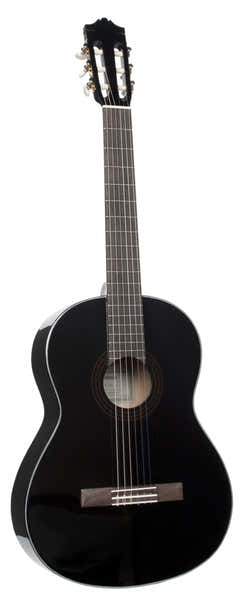
Yamaha
Etude C40Bl Black

Eko
Cs-2 1/2 Natural + Gigbag

Yamaha
Etude C40M Matte

Eko
Cs-5 3/4 Natural + Gigbag

Eko
Cs-10 4/4 Natural + Gigbag

Eko
NXT N100ce Natural

Eko
Cs-5 3/4 Natural Pack + Gigbag / Accessoires

Alhambra
Conservatory 4P + 9738 25mm Gigbag
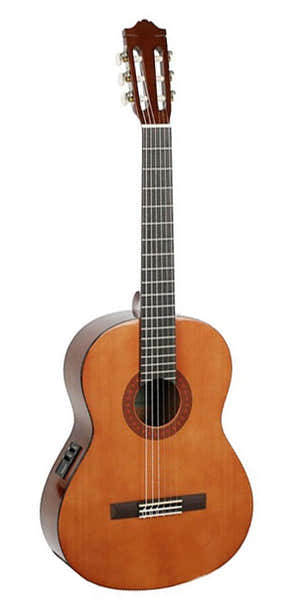
Yamaha
Etude Gcx40 4-4

Alhambra
Student 1C Ht + 9738 25mm Gigbag

Valencia
Vc203

Eko
Cs-10 4/4 Sunburst + Gigbag

Lâg
Bluewave 1 Travel Nylon Brown

Alhambra
Student Z-Nature + 9738 25mm Gigbag

Santos y Mayor
Cadet 3-4 Natural

Fender
CN-60s WN Black

Santos y Mayor
Natural 1-2

Santos y Mayor
Etude Gsm7 Estudio

Epiphone
classical 2" e1 antique natural

Eko
CS-2 1/2 Blue Burst + Gig Bag

Santos y Mayor
Natural Classical Guitar 4-4 Lh

Ibanez
FRH10N-IBF Indigo Blue Metallic Flat

Yamaha
Etude C70
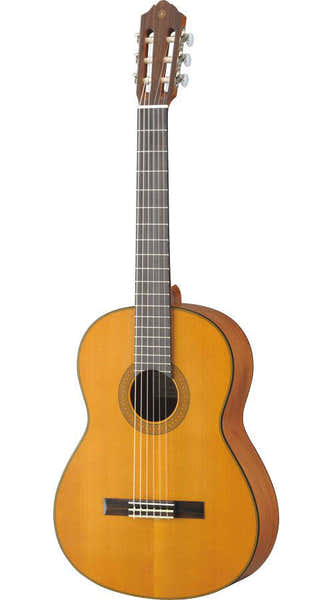
Yamaha
Cg122Mc Matte

Eko
Cs-10 4/4 Natural Pack + Gigbag / Accessoires

Ibanez
GA5TCE-AM Amber
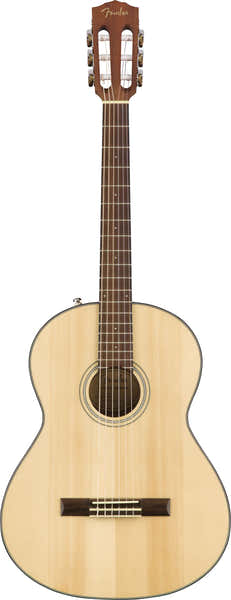
Fender
CN-60s WN Natural

Ortega
Rst5M Black Satin

Yamaha
Etude Cgs103 3-4

Lâg
Occitania OC70-3 3/4
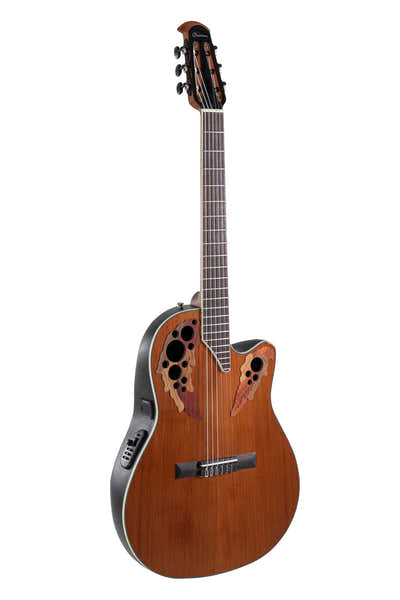
Ovation
Celebrity Ms Classic Nylon Natural Gloss

Alhambra
Student Z-Nature Cw Ez + 9738 25mm Gigbag

Eko
One S150e Silent Nylon

Ibanez
GA3ECE-OAM Amber

Cordoba
Stage Guitar Edge Burst
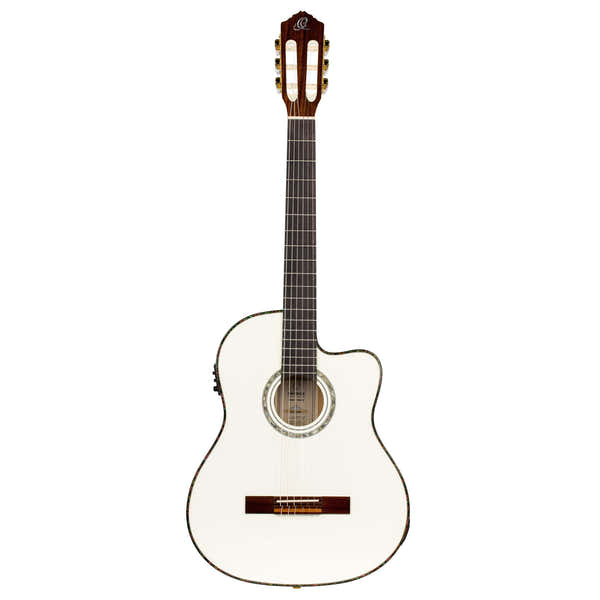
Ortega
Rce145 Spruce Slim Neck White

Yamaha
Silent Slg200Nw Natural

Alhambra
Student 3C + 9738 25mm Gigbag

Eko
CS-5 3/4 Blue Burst + Gig Bag

Valencia
Vc704 4-4 Natural

Ibanez
GA35TCE-DVS Dark Violin Sunburst

Lâg
Bluewave 1 TNBW1TE Travel Nylon

Lâg
Occitania OC118CE 4/4 Cedar Ctw

Ortega
Guitar Rst5M 3-4 Matte Black

Alhambra
Conservatory 4F Flamenco + 9738 25mm Gigbag
Which classical guitar should you choose to start with?

When you're starting out, it's not easy to choose between all these classical guitars that look so similar from a distance… Should you focus on a particular brand or wood? With a first guitar, what matters most is that you feel comfortable playing it: strings that aren't too far from the fingerboard (nylon may be more flexible than steel, but if the guitar is badly set up, your fingers will soon feel it) and a guitar with accurate intonation. To check, here's a really simple test: play an open string, then play it again at the 12th fret. You should hear the same note an octave higher, otherwise the guitar will sound out of tune as soon as you move into the high register.
As for brands, Yamaha has long been a safe bet for student classical guitars, with Ortega close behind. You'll also find them from Ibanez, or in the Caballero range from Manuel Rodriguez. If you want to give the instrument a try without spending too much (there's no guarantee you'll want to stick with it!), Valencia and Eko offer simpler models that will do the job just fine for the first few months. And if you're about to start lessons, at a conservatoire or with a teacher, remember to ask your teacher's opinion before buying: they're bound to have their preferences and will know what's suitable.
Unlike steel strings, classical guitar string sets aren't chosen by string gauge, but by their tension: low, normal or high. As a rule, low tension will feel more comfortable until your fingers have developed calluses, normal tension remains the most versatile, and high tension feels firmer and gives you more volume. As you play a classical guitar sitting down, with your left foot raised, a footstool is one of the accessories to plan for from the start, along with a music stand for your method book, and a tuner (a tiny expense, but one that makes all the difference!). One last detail that's often overlooked: in classical guitar, the fingernails on your right hand also help make the sound, and many guitarists keep a nail file in their guitar case.
What size classical guitar is right for a child?

Classical guitars don't just come in full size, or 4/4: you'll also find 7/8, 3/4 and 1/2 sizes, and even smaller ones for the youngest children. The scale length, in other words the vibrating string length (around 65 cm on a 4/4), is the first thing to get shorter, with the body and fret spacing shrinking along with it. As a guide, you'd generally go for a 1/2 at around 6 to 8 years old, a 3/4 between 8 and 11, then a 4/4 at around 12, or as soon as the child approaches 1.50 m tall.
But age isn't everything: at 9, some children are already as tall as older children, while others have very small hands. So the best option is still to let them try the guitar: once they're seated, their right arm should rest easily on the body, and their left hand should reach the first fret without them having to stretch their arm out or raise their shoulder. If the guitar is too big, they'll have to twist to compensate, and after a few minutes their back or wrist will hurt (enough to put plenty of children off). As for the less common 7/8 size, it suits teenagers who are still growing, smaller adults, or anyone who finds 4/4 necks too wide for their hands. Finally, even for a 5- or 6-year-old, choose a proper small student guitar rather than a toy guitar, which rarely stays in tune.
Solid top, spruce or cedar: how much should you budget for your classical guitar?

On a classical guitar, the wood plays a big part in the sound, and it's mainly the wood of the soundboard (the front, around the soundhole) that matters, far more than the back or sides. On the most affordable student guitars, it's usually laminated: several very thin sheets of wood joined together, so it's sturdy, but vibrates less. As you move up the range, the soundboard becomes solid, cut from a single piece and richer in harmonics, and as a bonus it keeps opening up over the years.
Then there's the choice between two wood species. Cedar has a warm, rounded sound almost straight away, ideal for gentle playing; the downside is that this softer wood marks more easily. Spruce, on the other hand, has a brighter, more well-defined sound, often a little closed when the guitar is new, but it grows fuller the more you play it. Neither is better than the other: it's your taste that decides… and your ears!
For a solid top without stretching the budget too far, look at Manuel Rodriguez, Ortega, Martinez, Lâg or Takamine. Higher up, you get concert instruments from Alhambra and Esteve; at Alhambra, from the 8P series upwards, the guitars are made by a small group of craftspeople, no less. Finally, W. Jellinghaus guitars are for experienced guitarists who want a genuine luthier-built instrument. A quick reminder that applies to all solid tops: wood reacts to the surrounding air, and our workshop recommends keeping the guitar at 45 to 55% humidity (a hygrometer tucked into the guitar case lets you keep an eye on it), as air that's too dry can even cause the wood to crack.
Electro-acoustic classical guitar, cutaway or flamenco guitar?

For the stage or for playing with other musicians, electro-acoustic classical guitars have a pickup, most often a piezo pickup under the bridge, and a preamp, which often includes a tuner and a few tone controls: all you need to do is plug them straight into an amplifier or the PA system. Many also have a cutaway, the cut-out in the body that gives you access to the highest frets on the neck. Godin's Multiac and Arena series take this even further, with guitars designed from the outset to be played plugged in.
The flamenco guitar is a cousin of the classical guitar, but it's a different beast. Lighter, with a back and sides often made of cypress, it has strings closer to the fingerboard and a dry, percussive sound that snaps on rasgueados; its soundboard is also protected by a transparent plate, the golpeador, to withstand percussive taps. On our site, it's mainly Alhambra and Manuel Rodriguez that offer them. Flamenco's caught your eye, but you've never played before? Starting on a classical guitar is more than enough to learn the fundamentals (playing posture, hand position, rhythm), and you can always move on to a flamenco guitar once your right hand is more assured.
Buying your classical guitar from Woodbrass
You should listen to a classical guitar before you buy it, and there's nothing like being able to compare. The best places for that are the two demo rooms at our guitar shop: you can take your time, switch between cedar and spruce and make up your own mind, Tuesday to Saturday from 10:30 am to 7 pm, at 182 avenue Jean Jaurès (Paris, 19th arrondissement). If the guitar is for a child, the simplest thing is to bring them along so you can check the size there and then! For those coming by car, Woodbrass pays for your first hour at Vinci Park Cité de la Musique as long as you buy in the shop, and you then go home with the instrument (online orders are delivered instead).
Even if you're far from Paris, you're not left to fend for yourself: our sales advisers are on hand by phone, chat or email, on weekdays from 9 am and Saturdays from 10 am, until 6 pm (Paris time), to help you find the right size or choose between two guitars.
As for the setup, the guitar arrives as it left the factory. If you'd prefer slightly lower strings, or just want some maintenance done, the workshop in the shop, which also works on classical guitars, offers 50% off setups and maintenance for six months from the date of purchase, whether you bought online or in-store.
Finally, almost all new products come with a 3-year warranty, and you have 30 days from receipt to change your mind. As for delivery times, if you order a guitar that's in stock online before 12:30 pm, we'll dispatch it the same day. If you're on a tight budget, consider B-Stock (tested by our teams, with a 6-month warranty and possibly a slight cosmetic blemish) and refurbished stock, which is checked and comes with a 3-year warranty; Alma also lets you pay in instalments.